
A home’s asking price is only the starting point for understanding what it may cost to live there. In Orlando, property taxes, insurance, association fees, maintenance, and travel can change the comparison between two otherwise appealing homes. Build a monthly budget for each property before deciding which one fits your plans.
Start With the Payment, Not Just the Price
A home listed at $400,000 and one listed at $800,000 may offer different layouts, locations, and amenities, but their monthly costs depend on more than the gap in price. Your down payment, loan terms, and the expenses attached to each property all matter. Comparing those details early can make a search more focused and help prevent surprises after an offer is accepted.
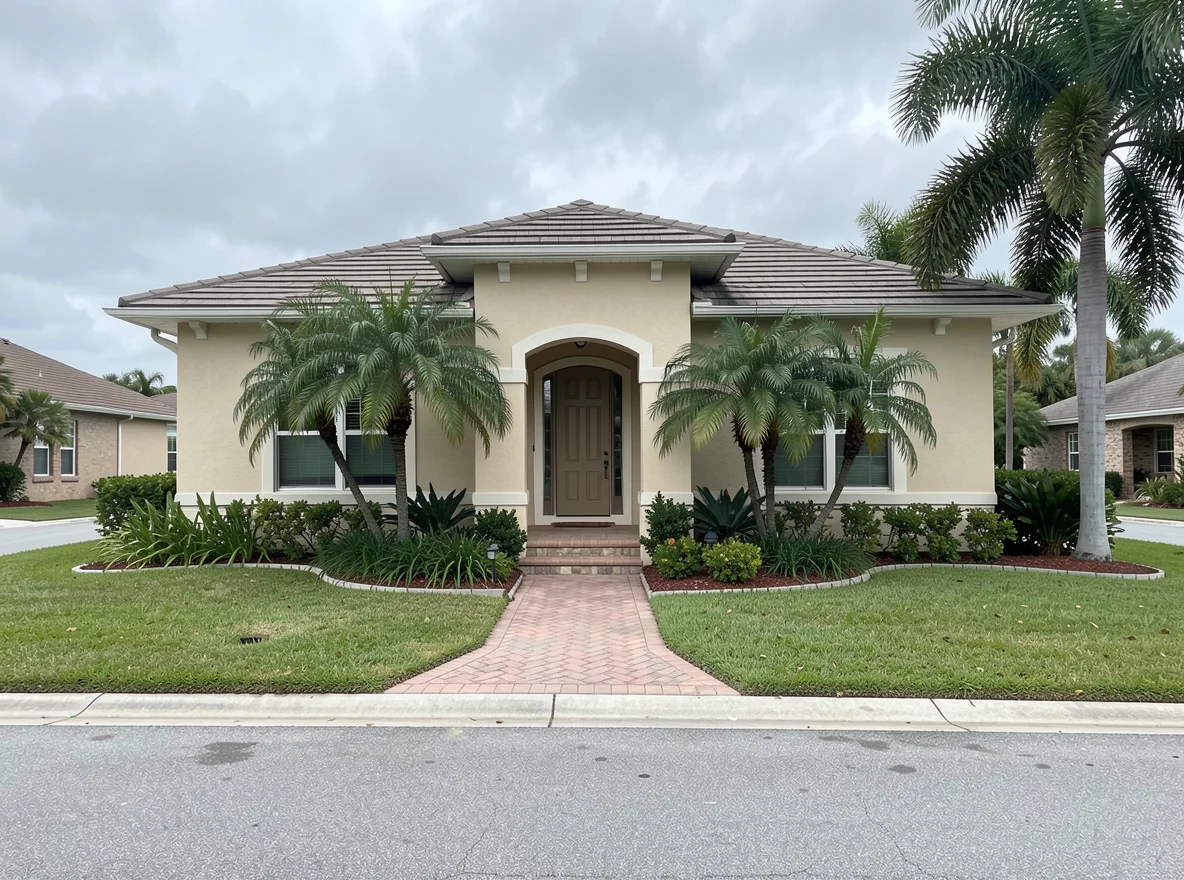
For a simple illustration, assume a 20% down payment and a 30-year fixed-rate loan at 6.5%. A $400,000 purchase would mean a $320,000 loan and approximately $2,023 per month in principal and interest. At $800,000, the same assumptions produce a $640,000 loan and approximately $4,045 per month. These figures are examples, not current rate quotes, and exclude taxes, insurance, association dues, and other costs.
Your actual rate and payment will depend on the lender, loan program, credit, down payment, and other factors. A smaller down payment may also bring mortgage insurance or other changes to the loan terms. Ask a lender for a personalized estimate and compare the cash needed to close as well as the recurring payment. Keep funds available for moving, immediate purchases, and unexpected expenses instead of committing every available dollar to the purchase.
In the example above, principal and interest alone differ by about $2,022 per month. The full difference between two homes could be larger or smaller once property-specific expenses are included.
Compare Property Taxes Carefully
Property taxes can be a significant part of an Orlando-area housing budget. They vary by property and taxing jurisdiction, so two homes with similar asking prices may have different bills. Ask for the current tax information, then discuss a post-purchase estimate with the appropriate county property appraiser or tax professional.
Be cautious about using the seller’s current bill as your own forecast. The taxable value and exemptions associated with a current owner may change after a sale. Florida’s homestead exemption and assessment protections have eligibility rules; a buyer should not assume the seller’s benefits will transfer. Your lender may collect estimated taxes monthly through an escrow account, but escrow does not make the underlying tax amount fixed.
Also check for non-ad valorem assessments on the tax bill. For example, a property may be subject to a community development district assessment that helps fund community infrastructure. The amount, payment method, and remaining obligation can vary, so request property-specific documents rather than relying on a neighborhood average.
Get Insurance Quotes Before You Commit
Insurance is another line item that deserves an individual quote. Roof age and condition, construction features, prior claims, coverage choices, deductibles, and the insurer’s underwriting rules can all affect the cost and availability of coverage. A lower purchase price does not necessarily mean a lower premium.
Contact an insurance professional during your due diligence period, and provide the property details needed for a meaningful estimate. Ask what the policy covers, how wind-related deductibles work, and whether an inspection or additional documentation is required. If the home has an older roof or other maintenance concerns, find out how those details could affect coverage before deciding how to proceed.
Flood insurance is generally separate from a standard homeowners policy. Ask about flood risk and coverage options for the specific property, including any lender requirement. Homes near lakes or other waterways may have different considerations, but location alone does not establish a property’s flood risk or insurance cost.
Look Beyond the HOA’s Monthly Number
Planned communities may offer shared amenities and services, but the association fee is only part of the review. Some dues are billed quarterly or annually, so convert them to a monthly amount before comparing properties. Then ask what the fee actually includes and what remains the owner’s responsibility.

Request the association’s governing documents, budget, and available financial information. Review any rules that affect how you intend to use the property, along with current fees and any disclosed special assessments. Ask whether additional associations apply and whether amenities carry separate charges. Fees can change, and a low current fee does not guarantee lower costs later.
For a condo or townhome, clarify which parts of the building and grounds the association maintains and what the owner must insure or repair. Coverage and responsibilities vary by association and property type. Your lender and insurance professional can help identify documents they need before financing and coverage are finalized.
A $750 quarterly association payment adds $250 to a monthly comparison—and that figure may not include a separate district assessment or special assessment.
Account for Maintenance and Daily Travel
A monthly budget should leave room for costs that do not arrive every month. Air-conditioning service, landscaping, pest control, appliances, exterior upkeep, and eventual roof replacement are examples to consider. Pool care or waterfront-related maintenance may add another layer, depending on the property. An inspection can help identify current concerns, but it cannot predict every future repair.
Estimate utilities using available property information, keeping in mind that household usage and rates vary. If you are comparing a larger home with a smaller one, consider how cooling, water, and upkeep may differ. Set aside a reserve that reflects the home’s condition and your own comfort with unexpected expenses; there is no single maintenance number that fits every property.
Location affects the budget, too. A home farther from regular destinations may come with more fuel, toll, parking, or vehicle-maintenance costs. Map the trips you expect to make and test routes at the times you are likely to travel. Include access to the parks, dining, services, or other amenities you value—not just the distance shown on a listing.
Build a Side-by-Side Comparison
Once you have a few homes in mind, use the same categories for each one. Replace rough assumptions with quotes and documents as they become available, and note which figures could change. A useful worksheet includes:
- Estimated principal, interest, and any mortgage insurance
- Estimated property taxes and applicable assessments
- Homeowners insurance and any separate flood coverage
- Association dues and known additional charges
- Utilities, routine maintenance, and a repair reserve
- Regular transportation costs, including tolls and parking
Compare the total against a budget you have discussed with your lender, then consider how each home serves your priorities. An appealing amenity may justify a higher fee for one buyer, while another may prefer a different location or more room in the budget for future expenses. There is no need to make that tradeoff based on asking price alone.
Make Your Next Move With Clearer Numbers
Estimates will become more precise as you review a specific property, obtain insurance quotes, and receive lender information. Elana Winter can help you explore Orlando homes and organize the questions to bring to the appropriate professionals. Start with the features and monthly range that matter to you, then compare each property on its full cost—not just its listing price.