
A Fort Lauderdale waterfront home offers more than a view: its dock, seawall, access, and maintenance history can all shape a buyer’s decision. Preparing those details before listing helps you present the property clearly, develop a thoughtful pricing strategy, and respond to questions with confidence.
Start With Your Goals and Timeline
Before arranging photographs or scheduling repairs, decide what a successful sale looks like for you. Are you coordinating another purchase, working around travel, or hoping to allow time for waterfront improvements? Your preferred closing date and tolerance for preparation work can help shape the listing plan.
Build room into the schedule for gathering documents, obtaining professional assessments, completing agreed-upon work, and preparing the home for showings. Waterfront features may involve contractors, permits, or records that take time to locate. Starting early gives you more options than discovering an unanswered question after an offer arrives.
Consider your practical limits, too. A repair budget, showing preferences, and plans for furniture or watercraft can influence decisions throughout the sale. Discuss these details with your agent so the marketing and transaction timeline reflect your circumstances rather than a generic checklist.
Give the Dock and Seawall an Honest Review
The water’s edge is often a focal point for buyers. Walk the dock and shoreline carefully, looking for visible wear, loose components, staining, or other conditions you may want a qualified professional to evaluate. Avoid assuming that a fresh coat of paint or a tidy appearance tells the whole story.
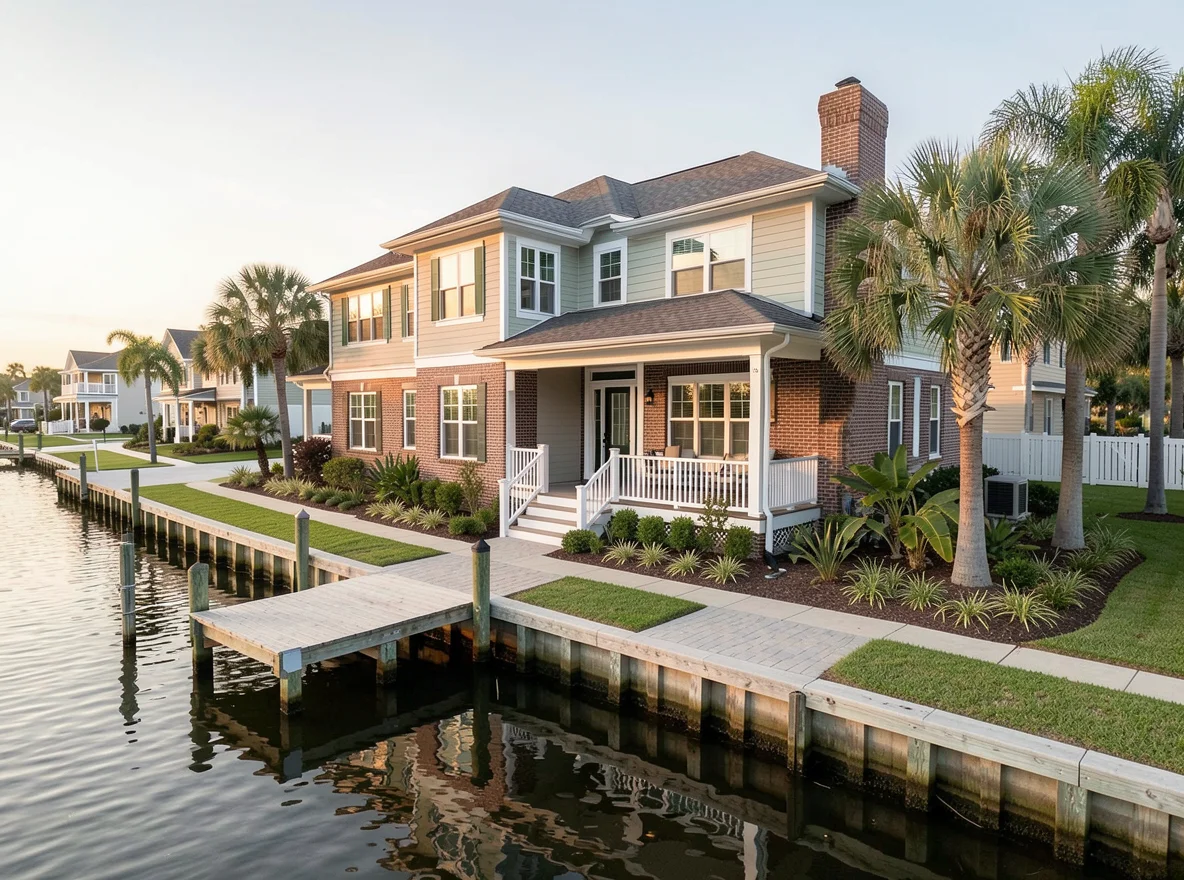
A marine contractor or other qualified inspector can help you understand the condition of the seawall, dock, pilings, and related equipment. Ask for a written assessment and discuss whether repairs are advisable before listing. An inspection does not guarantee that every issue will be found, but it can help you make informed decisions about preparation and disclosure.
If the property includes a boat lift, dockside electrical service, water connections, or other equipment, collect available manuals and service records. Note what is included in the sale and what you intend to remove. Buyers may also ask about water depth, bridge clearance, vessel size, or access to open water; provide reliable documentation when available and avoid estimating or promising suitability.
A clean dock makes a good first impression, but maintenance records and a professional assessment can help answer the questions a photograph cannot.
Where work has been completed, gather invoices, warranties, permits, and any inspection or completion records you have. If you cannot find a document or do not know an answer, say so rather than guessing. Your agent can help identify questions to raise with the appropriate local authority or professional.
Prepare the Home Without Hiding Its Story
Waterfront presentation begins inside as well as outside. Clean windows and glass doors, trim landscaping that obstructs the outlook, and arrange furnishings so the connection between the living spaces and the water is easy to see. On patios and terraces, clear unnecessary equipment and create an inviting path to the dock.
Prioritize maintenance that affects how the home functions and shows: address leaks, service systems as appropriate, replace failed light bulbs, and attend to ordinary wear. Salt air and moisture can affect materials and equipment, so review exterior fixtures and finishes with that exposure in mind. Choose projects based on condition, cost, timing, and professional advice rather than assuming every upgrade will pay for itself.
Preparation is not a substitute for disclosure. Florida sellers generally must disclose known facts that materially affect a property’s value and are not readily observable to the buyer. The details depend on the property and circumstances, so discuss known conditions, prior repairs, and disclosure questions with your agent and a Florida real estate attorney when appropriate. Do not conceal damage or suggest that a feature has been inspected or approved if you cannot substantiate it.
Price the Property in Context
A waterfront address alone does not determine value. A useful pricing discussion considers recent comparable sales and current competition alongside the home’s condition, layout, lot, and waterfront characteristics. Two nearby properties can differ substantially in view, dock features, access, upkeep, and the work a buyer may need to undertake.
Ask your agent to explain which comparable properties are most relevant and where meaningful differences exist. Review the evidence together, including how active listings compete for attention and how completed sales reflect prior buyer decisions. A pricing plan can also include a time to reassess based on showing activity and feedback, without promising a particular result.
Keep anticipated selling costs in view when considering a list price and potential proceeds. Your closing agent, attorney, and tax adviser can help you understand expenses or tax questions that apply to your situation. A valuation is a starting point for a conversation, not a guarantee of a sale price.
Show the Waterfront Experience Accurately
Marketing should help a buyer understand both the setting and the property itself. Plan photography after cleaning, landscaping, and routine preparation are complete. A mix of interior views, outdoor living spaces, the dock, and the water-facing elevation can tell a fuller story than a single dramatic image.
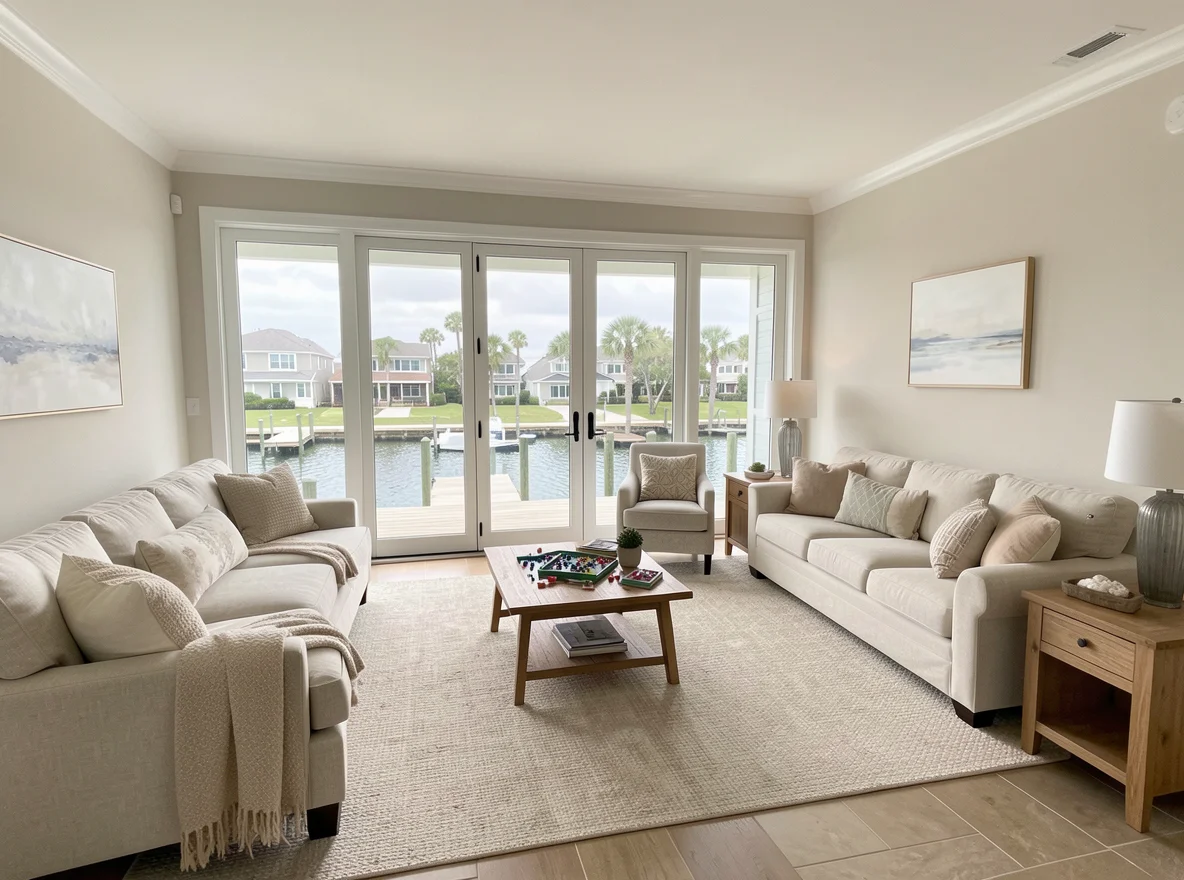
Discuss the best time of day to photograph the view and how light moves through the rooms. If aerial photography is used, it should represent the property and its surroundings accurately. Avoid images or descriptions that imply an unobstructed view, dock rights, or boating access that the property does not actually offer.
Prepare a concise, factual information sheet for common questions. It might include the age of equipment if known, records of recent work, and details about any applicable association rules. Confirm measurements and other claims against reliable sources, and make clear when a buyer should independently verify information important to their plans.
Once the listing is active, make a plan for showing the waterfront areas. Clear walkways, secure loose equipment, and follow professional advice about any conditions that need attention. A home that is easy to tour gives buyers a better opportunity to understand its features.
Compare Offers Beyond the Price
A strong offer is more than a headline number. Review financing terms, deposit, inspection and appraisal contingencies, requested concessions, closing date, and any proposed conditions involving the dock or other waterfront features. Your priorities will determine which combination of terms is most useful.
During negotiations, buyers may request inspections or ask for credits or repairs. Consider the supporting information, the cost and timing of any work, and the alternatives before responding. Your agent can help organize the discussion, while an attorney or other qualified professional can advise on contract language and technical questions.
A higher offer may come with a longer inspection period or other conditions. Compare the full set of terms against your timing and financial goals.
Keep the Transaction Moving Toward Closing
After an agreement is signed, there may be inspections, financing milestones, title work, insurance questions, and document requests to coordinate. Keep your records accessible and respond promptly to reasonable requests. If the property has an association, dock-related agreements, or transferable warranties, ask the relevant parties what information or approvals may be needed.
Each transaction is different, and this overview is not legal, tax, engineering, or financial advice. Consult the appropriate professionals for guidance specific to your property and contract. Ready to discuss your dock, seawall, view, and next move? Speak with Elana Winter about a personalized selling plan.