
A Miami condo and a single-family home can offer very different versions of South Florida living. These six questions will help you compare the daily routine, responsibilities, costs, and surroundings that matter most before you choose a property.
1. What do you want your daily routine to look like?
Start with an ordinary day rather than a dream-home checklist. Consider where you regularly travel, how often you make those trips, and whether you prefer to drive, walk, or use transit when available. A location that looks convenient on a map may feel different once you account for parking, building access, and the time of day you travel.
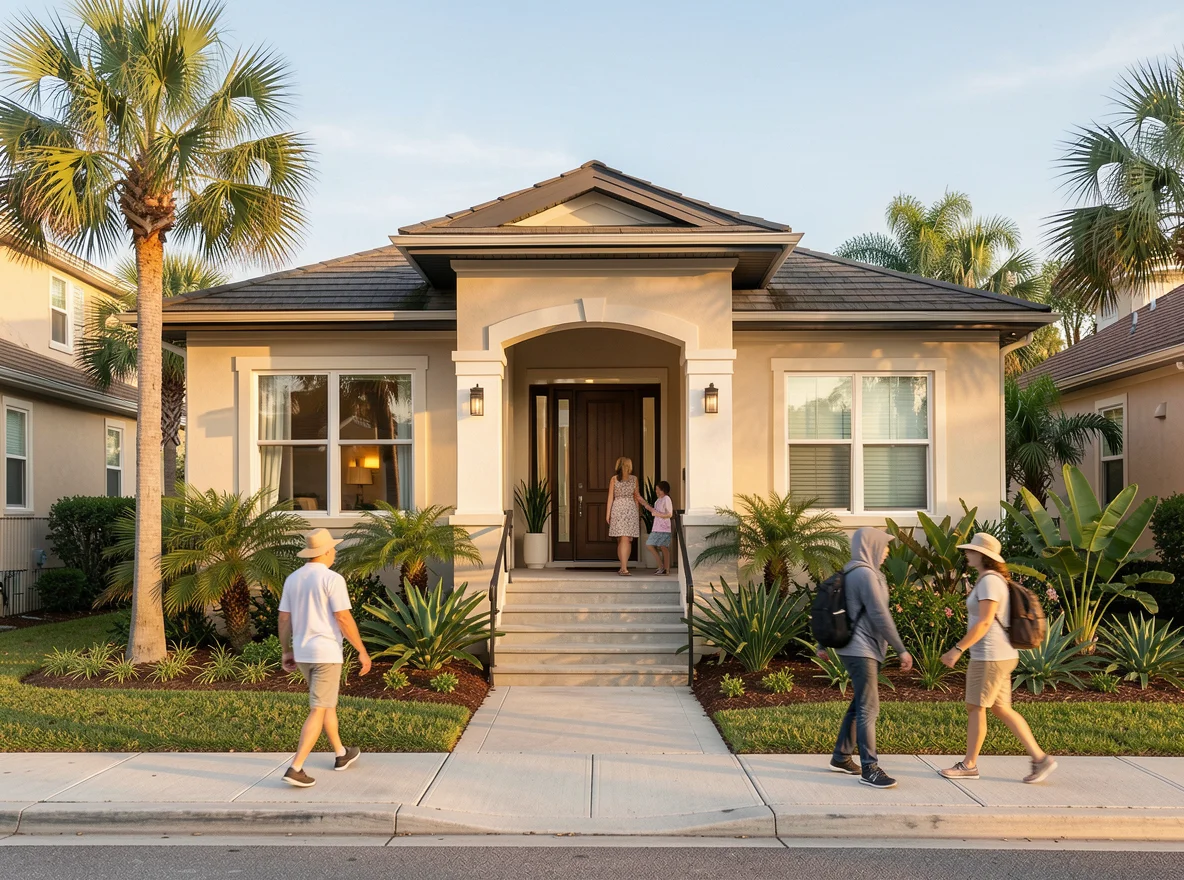
Condos can place residents close to a mix of destinations, while single-family homes may offer a different arrangement of space and surroundings. Neither property type guarantees a short commute or easy access to a particular amenity. Compare the actual address with the places you visit most, including work, grocery stores, medical offices, schools, and recreation.
If you are considering more than one part of Miami or the wider South Florida region, test the routes that matter to you. Drive or check transit options at the hours you would use them, and allow time for the practical steps between your front door and the street. Those small details can make a meaningful difference to your routine.
Compare door-to-door travel, not just mileage: an elevator ride, parking garage, or transfer can change how a daily trip feels.
2. How much maintenance do you want to manage?
Ownership responsibilities vary, but the distinction often starts with who takes care of the shared spaces. In a condominium, the association generally manages common elements according to its governing documents. Owners remain responsible for their units and may have other obligations, so it is important to understand where those responsibilities begin and end.
With a single-family home, owners typically arrange and pay for more of the property’s upkeep themselves. Depending on the home, that might include the roof, landscaping, exterior, pool, and mechanical systems. A homeowners association may also set rules or provide certain services, so a house is not necessarily free of association requirements.
Ask for a clear picture of ongoing work before deciding which arrangement feels manageable. Review inspection findings, maintenance records, association documents when applicable, and the age and condition of major systems. A property with fewer visible chores is not automatically less expensive to maintain; shared expenses can appear in regular fees or special assessments.
3. Which amenities and outdoor spaces will you actually use?
Think about the activities that make a place feel comfortable day to day. Some condo buildings offer features such as a pool, fitness room, shared outdoor areas, or staffed entry. A single-family property may provide a private yard, patio, or room to create an outdoor space, depending on the lot and local requirements.
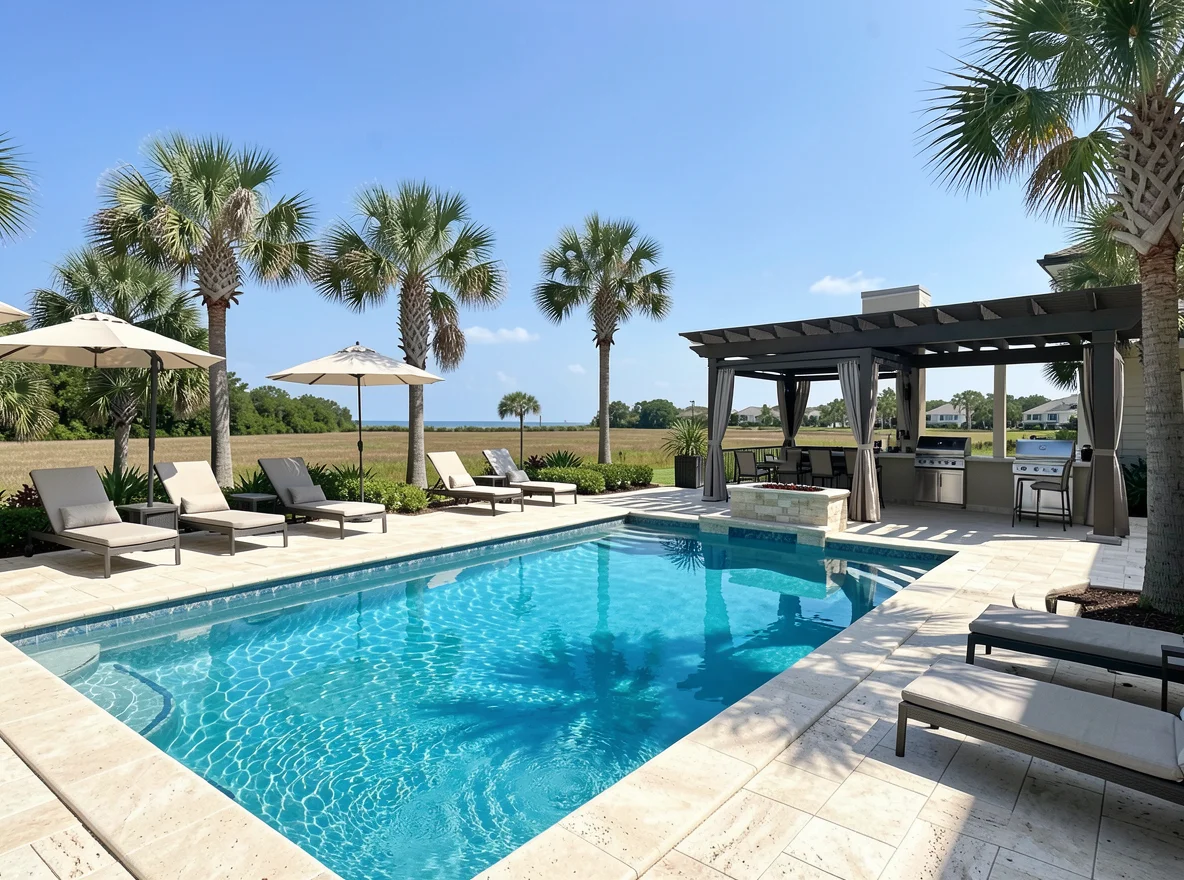
For waterfront and outdoor interests, look beyond the listing description. Consider how you would reach the water, a park, or a place to walk or cycle, and whether access is public, private, or subject to separate fees. A water view, waterfront location, and boating access are different features; verify the details rather than assuming they come together.
It is also worth examining how shared amenities operate. Ask about hours, guest policies, reservations, maintenance schedules, and any additional charges. For a house, consider the time and expense involved in caring for the outdoor features you want. The best amenity is one that supports your routine enough to justify its cost and upkeep.
4. How much privacy and flexibility do you prefer?
Picture the way you use your space: hosting a meal, working from home, spending time outdoors, or simply enjoying a quiet evening. A condo may include neighbors above, below, or across a hallway, while a single-family home may offer more separation. Actual privacy depends on the layout, construction, lot, and surroundings, not the property type alone.
Rules can also shape what is possible. Condo and homeowners associations may have restrictions on renovations, rentals, pets, parking, or use of common areas. A house may have association rules as well as local permitting and zoning requirements. Review the applicable documents and ask questions before counting on a particular change or use.
When touring, notice the details that photographs may not show: where windows face, how outdoor areas relate to neighboring properties, and whether the rooms support the way you entertain. Visit at different times when possible to observe activity and get a fuller sense of the setting.
5. How will you plan for storms and insurance?
Storm readiness is an important part of evaluating any South Florida property. Ask about features such as impact-resistant windows or shutters, the condition of the roof, and the building’s maintenance history. For a condo, find out what the association is responsible for and what preparations or repairs fall to individual owners.
Insurance needs and costs depend on the property, coverage, insurer, and other factors. Request quotes early and discuss available coverage with a licensed insurance professional. Ask about deductibles and whether flood coverage is needed or desired; do not assume one policy covers every type of damage.
A condo’s association policy and an owner’s individual coverage serve different purposes. Review both, along with deductibles and coverage gaps, before making assumptions about protection.
For either property type, inspections and document review can help you identify questions to investigate further. If you plan to be away for extended periods, consider who would secure the property, check on it, and coordinate any needed work. An insurance professional and qualified inspector can help you understand the particulars.
6. What does the complete budget look like?
The purchase price is only the starting point. Alongside your estimated mortgage payment, consider property taxes, insurance, utilities, maintenance, and any association dues. Condo buyers should also review the association’s financial documents, reserve information, pending or recent assessments, and any known major projects. Availability of documents and financing requirements can vary, so involve your lender and other qualified professionals early.
For a single-family home, build room into your plan for routine care and larger repairs that may arise over time. If the property has a pool, landscaping, or other features requiring regular service, include those expenses too. Ask for property-specific estimates rather than relying on a general rule about which type of home costs less.
With your priorities and budget in hand, compare current listings across the locations that interest you. Inventory and asking prices change, so use each property as an opportunity to refine your criteria rather than treating one example as representative of the entire market.
Turn your answers into a focused search
Write down your nonnegotiables, the features you would enjoy but could compromise on, and the responsibilities you are prepared to take on. Then tour a mix of condos and single-family homes, along with their surrounding areas, at different times of day. Comparing the full experience can reveal priorities that a listing alone cannot.
Ready to explore your options? Connect with Elana Winter for a tailored search built around your budget, preferred locations, and the way you want to live in South Florida.