
Hurricane-season readiness is about more than having a plan when a storm approaches. Features such as impact-rated openings, a well-maintained roof, and effective drainage can influence repair planning, insurance discussions, and a buyer’s assessment of a South Florida home. Here are seven features and documentation areas to examine before you buy, sell, or invest in an upgrade.
1. Impact-resistant windows and doors
Windows and exterior doors are a natural starting point when evaluating a property’s storm preparations. Impact-rated products are designed and tested to meet applicable performance standards, but their protection depends on the product, installation, condition, and requirements for the home’s location.
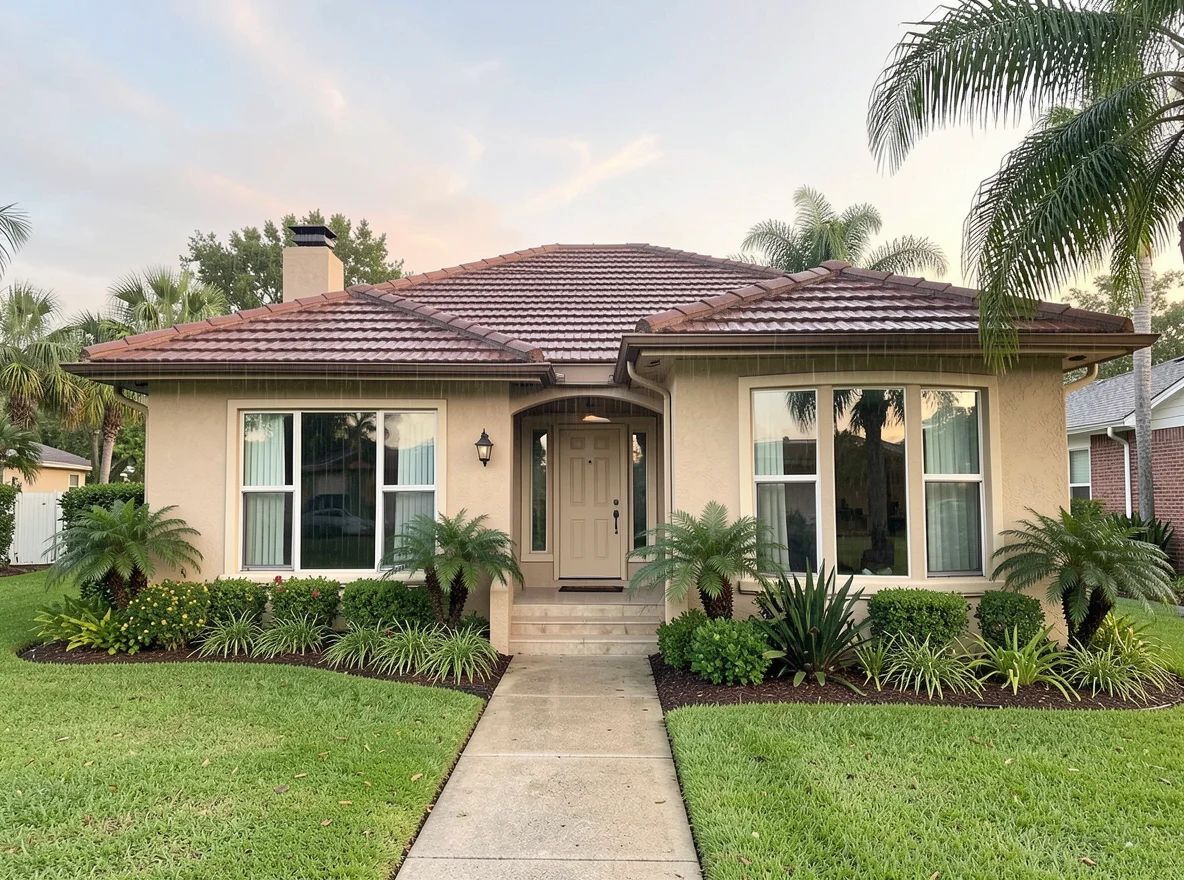
Buyers should ask which openings are protected and whether installation records, permits, product information, and warranties are available. A home may have impact-rated windows in one area and shutters or unprotected openings elsewhere. Look at doors, garage doors, and other exterior openings as well; do not assume that a single visible upgrade covers the entire property.
Sellers can gather records before listing and identify any missing documentation early. If an opening needs attention, a qualified contractor can explain repair or replacement options. Clear information helps a buyer evaluate the feature without relying solely on appearances.
2. Roof age, condition, and attachment
A roof’s appearance tells only part of the story. Ask about its installation date, material, permits, repairs, and any known leaks. A qualified inspector or roofing professional can assess visible condition and recommend further evaluation when appropriate.
Roof age and construction can matter to insurers, although underwriting rules vary. Attachment details and other wind-mitigation features may also be relevant. An inspection report can document certain features, but it is not a guarantee of insurance eligibility, a discount, or future performance.
A newer roof is not a substitute for documentation. Keep the permit, final inspection, contractor information, and any transferable warranty together.
For buyers comparing homes, a roof nearing the end of its useful life may affect both near-term costs and the ability to obtain suitable coverage. Sellers should address known maintenance issues and discuss required disclosures with the appropriate professionals rather than assuming a recent repair settles every question.
3. Drainage and water management
South Florida’s heavy rain makes it worthwhile to look beyond the house itself. Notice how the lot slopes, where downspouts release water, and whether drains, gutters, and swales appear maintained. Standing water, staining, or erosion can be reasons to ask more questions, not automatic proof of a particular defect.
Ask about past water intrusion and repairs, and consider a specialist’s assessment when the property or inspection findings warrant one. Flood risk is separate from wind risk: review the property’s flood information, ask an insurance professional about coverage, and avoid assuming that a standard homeowners policy covers flooding.
For sellers, practical upkeep may include clearing debris from drainage paths and documenting repairs. Changes to grading or drainage can affect neighboring properties and may require approvals, so consult the appropriate local authority and a qualified professional before undertaking major work.
4. Insurance and wind-mitigation documentation
Documentation is not a physical upgrade, but it is an important part of evaluating the features a home already has. Buyers can ask an insurance professional for quotes early and provide available roof, opening-protection, and wind-mitigation records. Coverage, deductibles, eligibility, and pricing depend on the property and insurer.
Gathering information before a purchase deadline leaves more time to identify gaps or request a qualified inspection. A seller’s existing policy or premium should not be treated as a promise of what a new owner will pay. For a condominium, also ask the association and an insurance professional how the building’s coverage and an individual unit policy may differ.
Owners preparing to sell can assemble a file with permits, inspection reports, warranties, and invoices. Keep the underlying records available for review, and confirm their relevance with the insurer or inspector rather than assuming every document will qualify for a credit.
5. Seawalls and waterfront structures
For a home on a canal or other waterfront, the shoreline structure deserves its own review. A seawall, dock, or other feature may involve maintenance obligations, permits, or responsibilities that are not obvious during a casual tour.

Ask about the structure’s age, past repairs, available permits, and who is responsible for maintenance. Cracking, leaning, settlement, or erosion can warrant evaluation by an appropriately qualified marine contractor or engineer. The scope and cost of any work depend on the site and the applicable rules.
A seawall is not a substitute for flood insurance or a guarantee against storm surge. Evaluate shoreline condition and flood coverage as separate questions.
Waterfront owners considering repairs or replacement should check local permitting requirements before work begins. Buyers can use their inspection period to seek professional guidance and understand potential costs, subject to the terms of their contract.
6. Hurricane shutters and opening protection
Shutters can be an option for protecting openings, whether they supplement impact-rated products or serve as the primary protection. Different systems require different storage, maintenance, and deployment plans. Ask which openings each shutter covers and whether all required panels, tracks, fasteners, and operating components are present.
During a tour, request available product and installation documentation. If the system is manual, consider the practical time and assistance needed to install it before a storm. A qualified professional can assess condition and compatibility; buyers should not rely on a visual check alone to determine whether a system meets current requirements.
Sellers can make the process easier by organizing labeled panels and providing instructions and maintenance records. For any new installation, verify applicable product approvals and permit requirements with the installer and local building department.
7. Outdoor upgrades and maintenance
Outdoor spaces contribute to how a home feels every day, but they also deserve a storm-readiness review. Examine the condition of fencing, screened enclosures, landscaping, and exterior fixtures. Ask a qualified professional about damaged trees or branches and about the condition of attachments that may need repair.
Think through where movable furniture, planters, and other loose items can be stored when a storm threatens. For larger projects, such as replacing an enclosure or modifying a patio, check local rules and association requirements where applicable. Choose improvements based on the property’s condition and your budget rather than assuming every upgrade will be recovered at resale.
Homes across a broad range of prices can benefit from careful maintenance and clear records. The right priorities will differ for a condominium, an inland house, and a waterfront property, so compare each home on its own features and obtain professional estimates when needed.
Put the information to work
For buyers, these seven areas can become a practical tour and due-diligence checklist. For sellers, they provide a starting point for gathering records, scheduling evaluations, and discussing preparation before a home reaches the market. Conditions, insurance options, and contract terms vary, so consult qualified inspectors, contractors, insurance professionals, and legal advisers as appropriate.
If you are exploring a purchase, contact Elana Winter for personalized buyer representation and help identifying the property details to investigate during your search.